$195.00–$350.00Price range: $195.00 through $350.00
MLD PRO PONCHO
An Original MLD Invention WEIGHT: .5 DCF 5oz | 142gm Gray DIMENSIONS: 5.5′ x 9′ x 5′ in | 168 x 275 x 152 cm
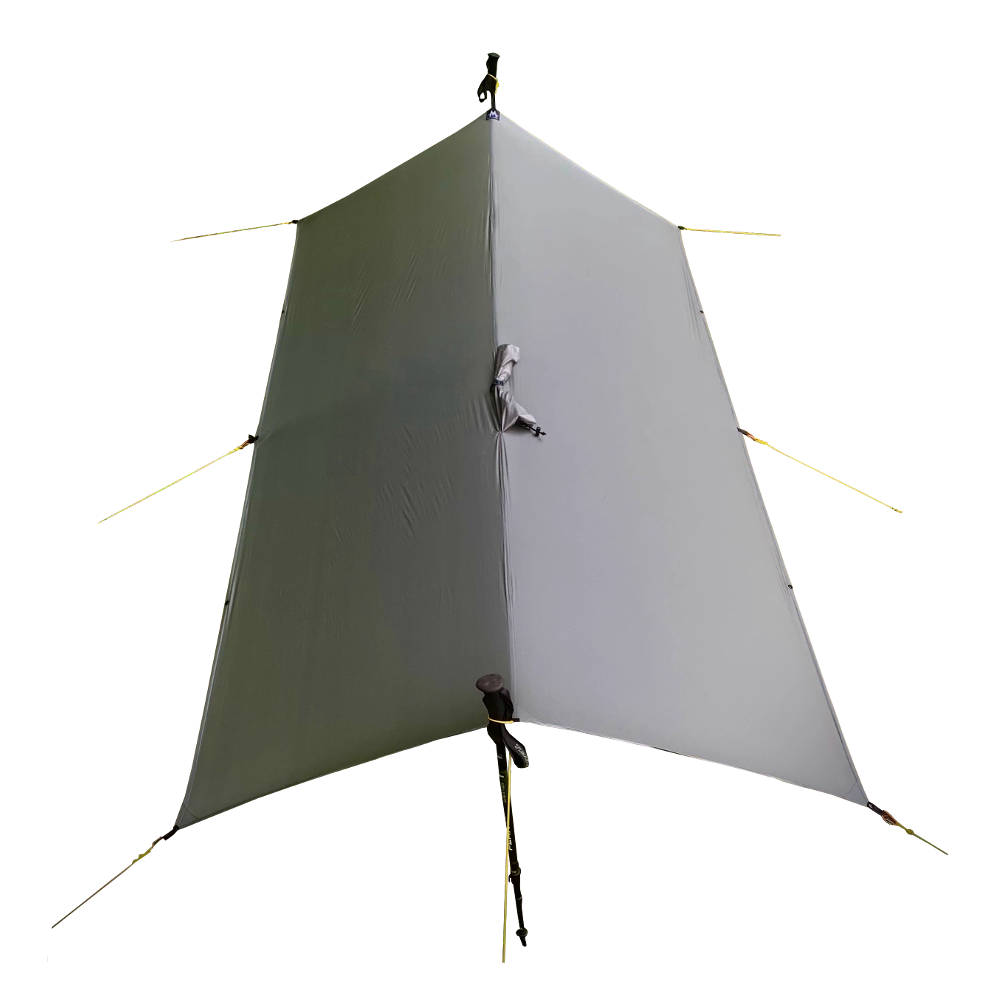
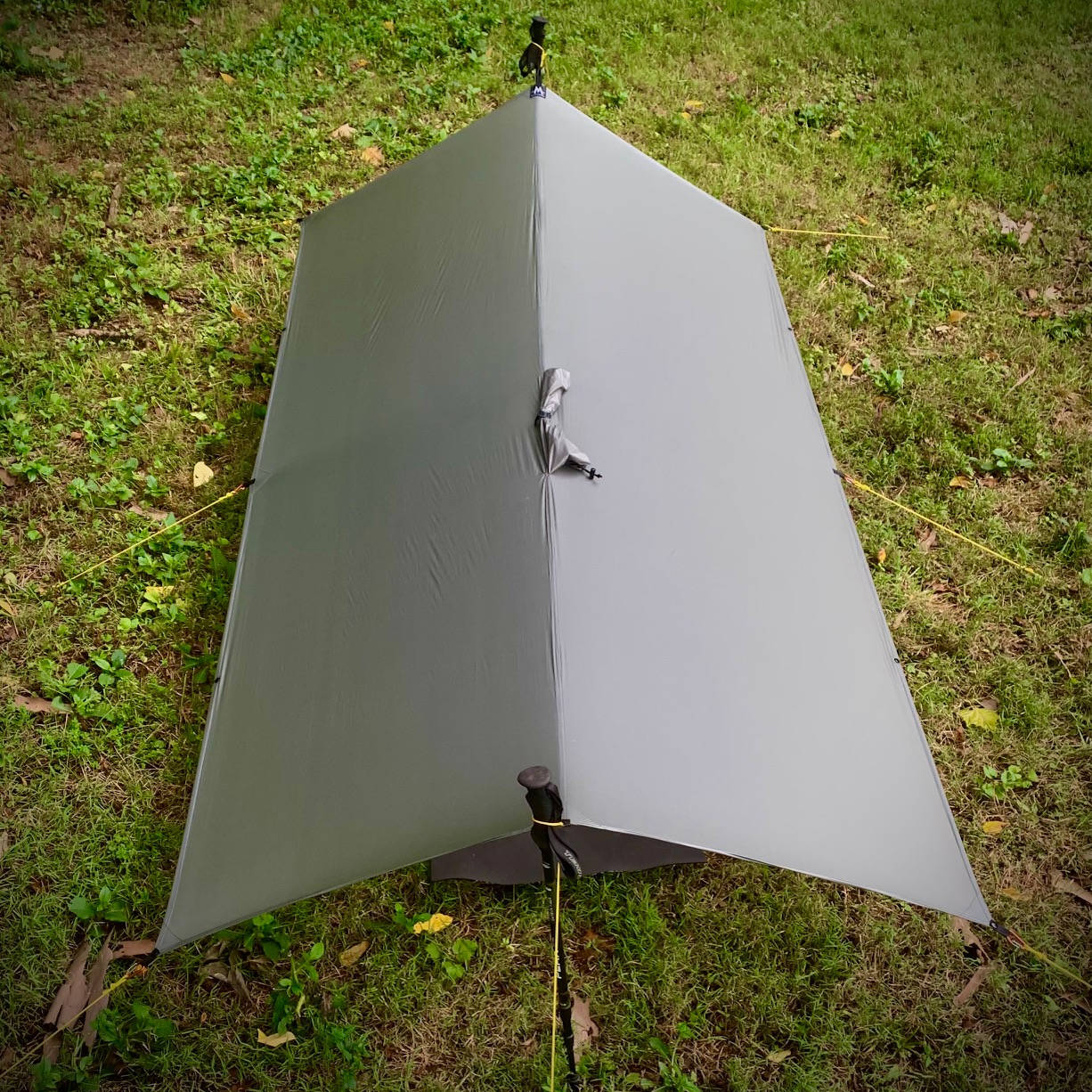
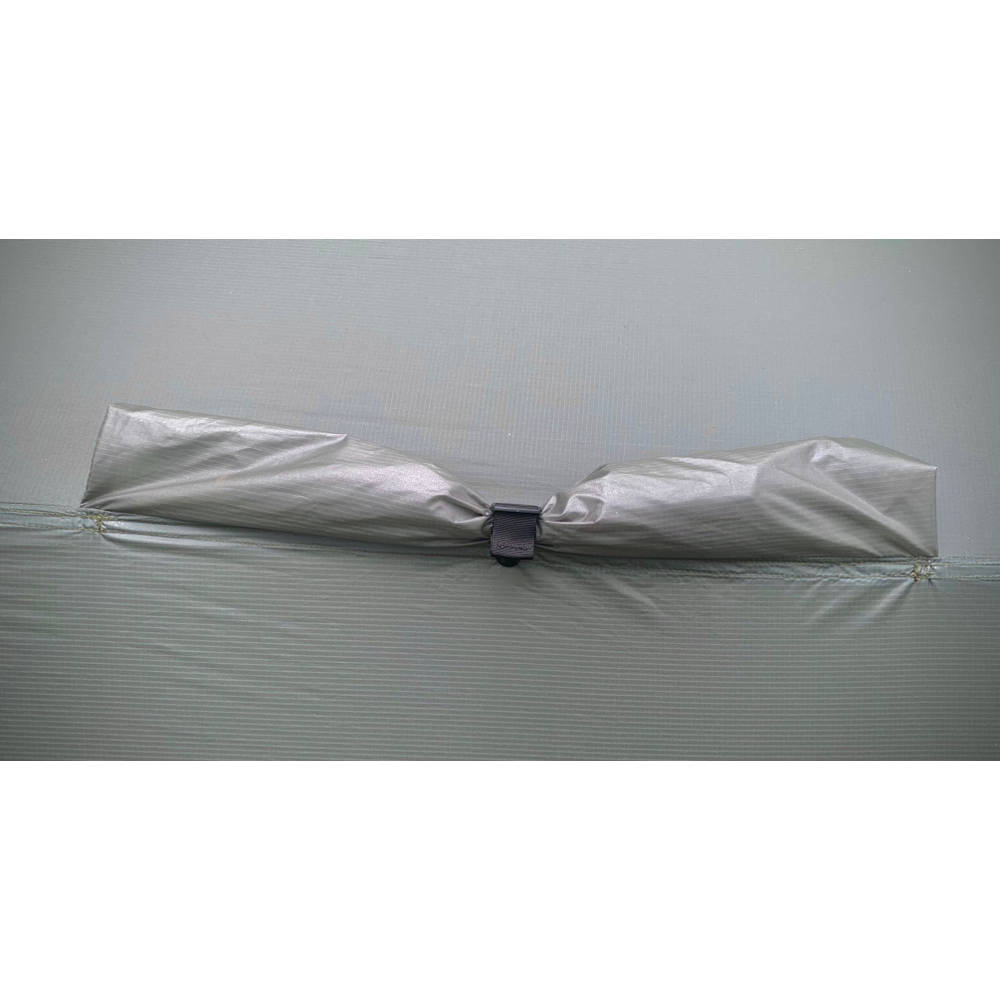
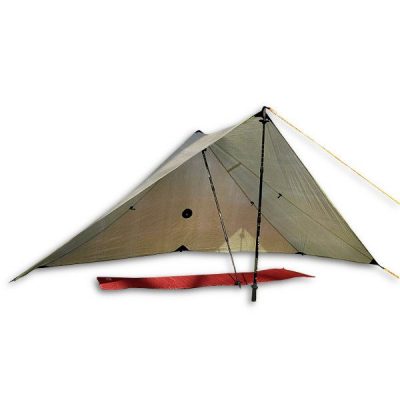
MLD Pro Poncho— since 2003— is an Original MLD Invention! Unique In-Line Ridgeline Hood Design means hood closes flat and rolls down in tarp mode— no flappy hole in the middle to catch the rain!
An Original MLD Invention WEIGHT: SilPoly 8.5oz | 240gm OD Green WEIGHT: .8 DCF 6.4oz | 180gm Gray WEIGHT: .5 DCF 5oz | 142gm Gray DIMENSIONS: 62″ x 9′ x 56″ in | 157 x 275 x 145 cm
MLD Pro Poncho— since 2003— is an Original MLD Invention! Unique In-Line Ridgeline Hood Design means hood closes flat and rolls down in tarp mode — no flappy hole in the middle to catch the rain!
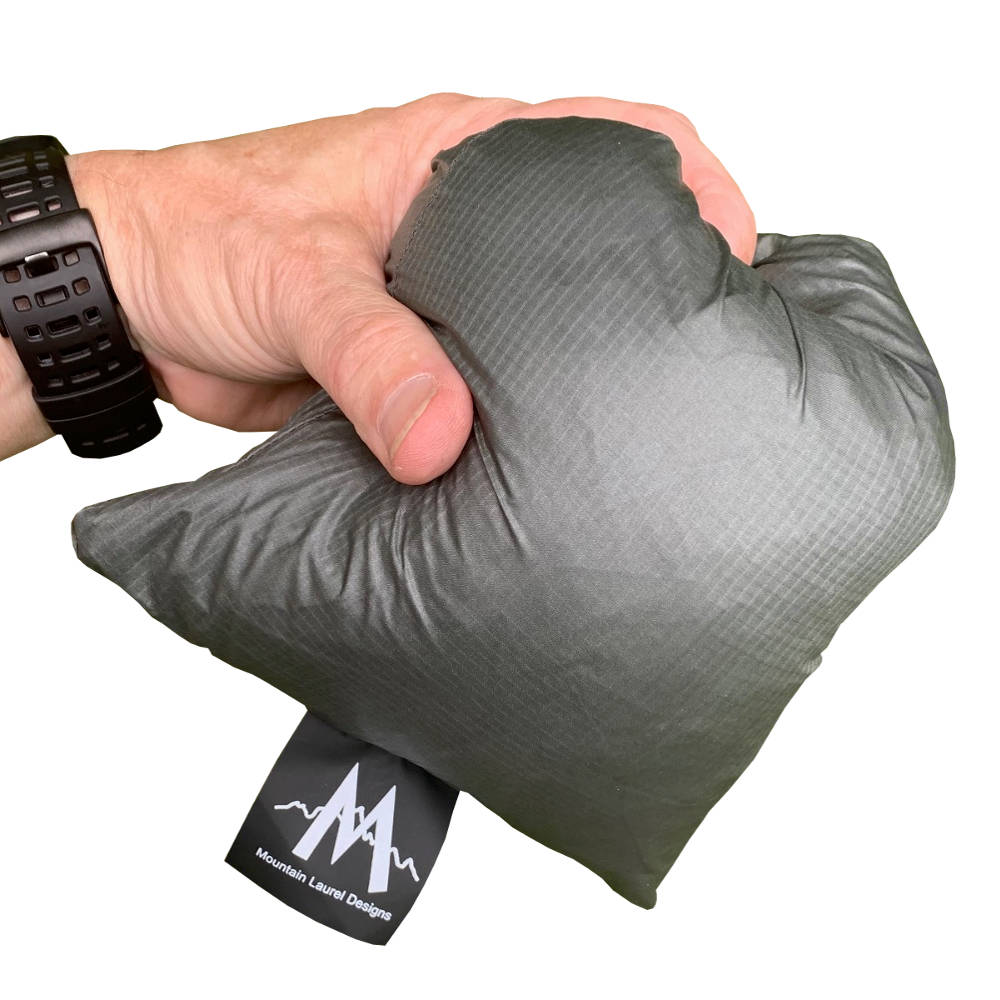
This 6oz rain protection poncho AND SUL tarp shelter lets experienced UL speed hikers and FKT racers push their limits by saving gear and shelter weight.
Advanced users will pick this rain and shelter option for moderate weather and terrain when the probability of freezing is low AND depending on their individual skill and ability to “take care of business” when things go wrong.
“When The Going Gets Weird, The Weird Turn Pro.” — Hunter Thompson
FEATURES
• Roll Closed In-Line Hood – An MLD Invention!
• SilPoly; low snag potential in poncho mode.
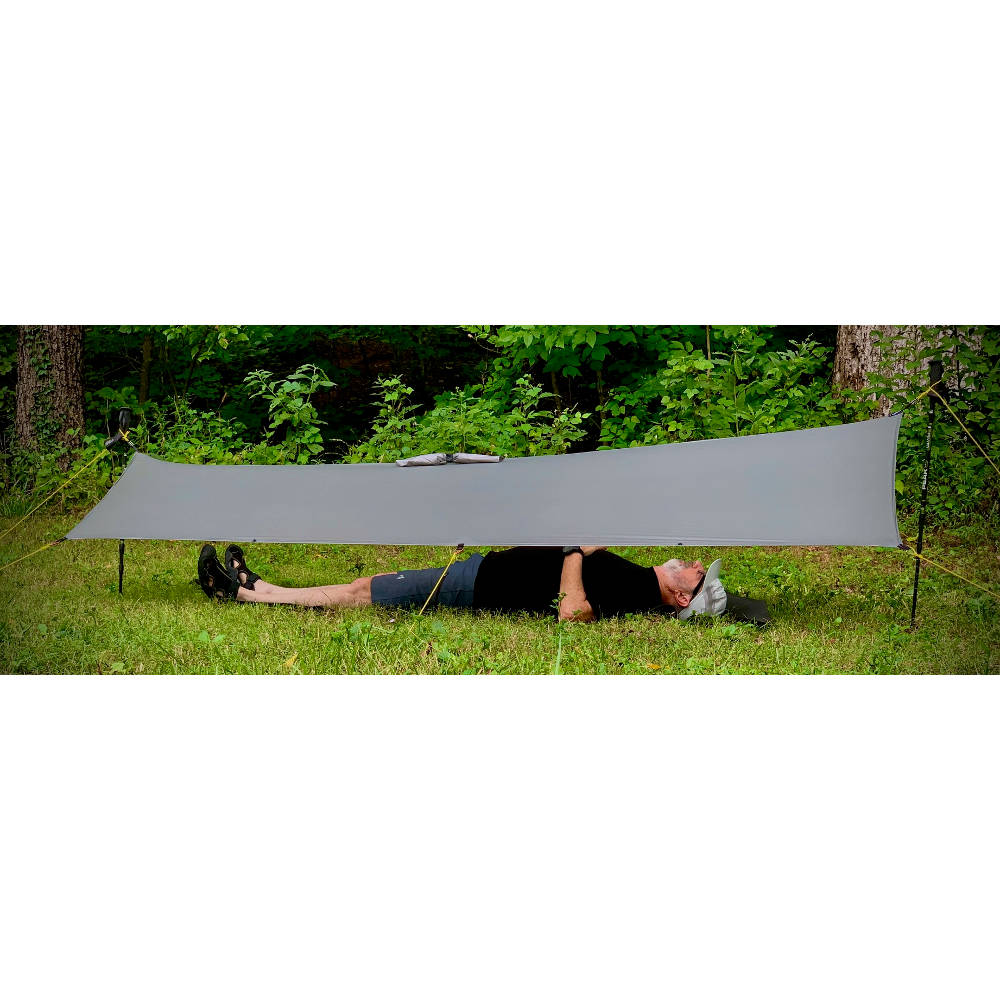
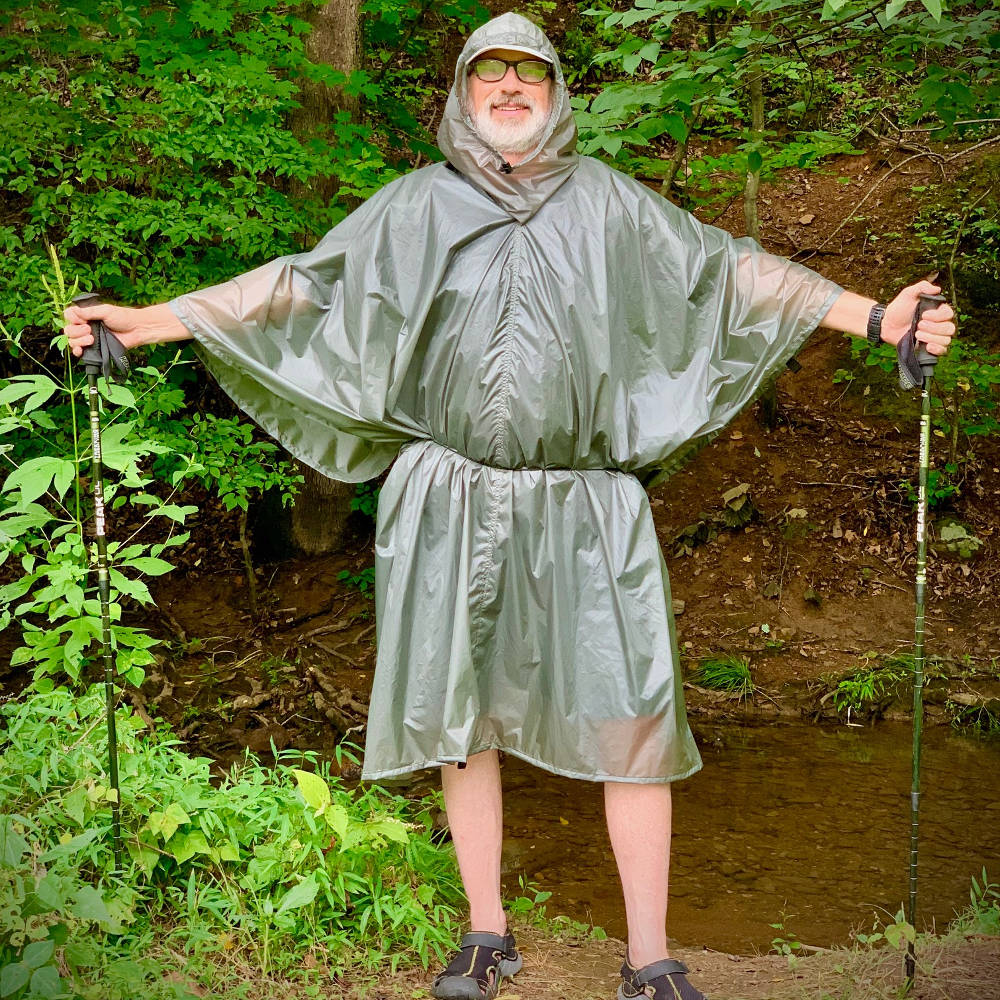
• Longer and wider than any other hiker ponchos to actually work as a tarp.
• Fits 5’5″- 6’5″ (167-198 cm) very well. Custom lenghts and widths for shorter users – Inquire!
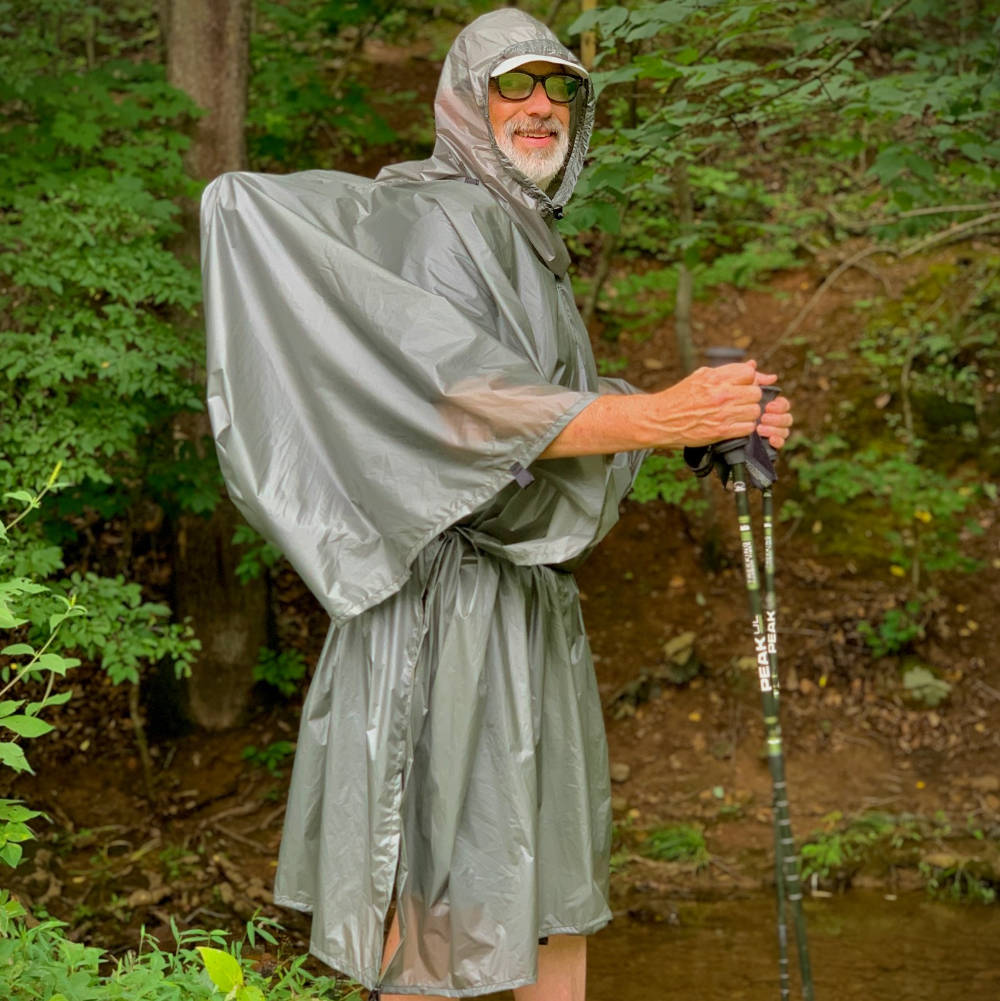
• Hood offset forward for more coverage over the backpack.
• Tapers front to back. Wider head end in tarp mode for better tarp mode coverage. Wider rear for better coverage over a pack.
• Small catenary curve cut to the ridgeline for a tighter tarp pitch.
• One underside bivy hang loop positioned above the chest.
• Foot end area tieout on ridgelinge for partial closed foot tarp mode pitch.
INCLUDED
• Stuff Sack + .3 oz / 8 gm
• Waist Bungee Cord + .3 oz / 8 gm
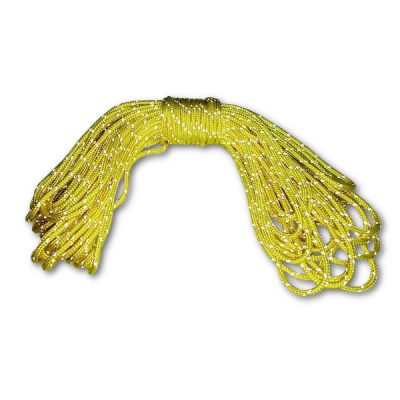
• 40′ Yellow or OD Green 2.7 mm Guyline.
• Silicone Seam Sealer for DYI Seam Sealing (SilPoly Version)
DIMENSIONS:
FRONT WIDTH: 62′ ft | 157 cm RIDGE LENGTH: 9′ ft | 275 cm BACK WIDTH: 57″ ft | 145 cm
MATERIAL(S): SilPoly and DCF Versions COLOR: SilPoly OD Green, DCF Gray
MLD PRO SILPOLY SEAM SEALING
COST: $45 WEIGHT: About .5oz | 14 gm
The SilPoly version of this shelter requires seam sealing, which is why we include seam sealer with all our SilPoly and SilNylon shelters. You can seam seal this shelter yourself in about 30 minutes with the supplied seam sealer OR as an extra service we can do it for you! Watch a how to video HERE.
We use a diluted 100% Silicone Sealer on the exterior stitching above the lower hem. Factory seam sealing can add about 1 week to the order process. Seam sealing adds about .5oz | 14gm +/- depending on the shelter size.
Factory sealed shelters are returnable under the regular return policy, where as DYI seam sealing is not.
We STRONGLY suggest you pitch the shelter and test before a trip. Set up before a good rain or spray with a garden hose nozzle arching up in the air and down on the shelter simulating rain for at least 15min. Touch up or resealing may be needed eventually.
NOTE: DCF shelters do not need seam sealing.
TITANIUM STAKES
COST: $25 WEIGHT: 2.2 oz | 62 gm
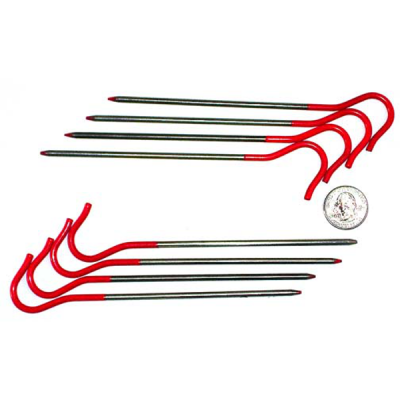
Add 8 Titanium Skewer Stakes to your purchase. Stakes are 6.5 in | 16.5 cm tall and each stake weighs 0.27 oz | 8 gm.
8 SUPERFLY MINI BINERS
COST: $16 WEIGHT: 0.8 oz | 23 gm
Add 8 Superfly Mini Biners to your purchase. Mini Biners are 0.1 oz | 3 gm each.
MLD 2.7 MM PRO REFLECTO GUYLINE
COST: $6 WEIGHT: 2.9 oz | 82 gm
This product includes 50′ of our regular, non-reflective Pro Guyline in your choice of Yellow or OD Green. You can upgrade this to 40′ of 2.7 MM Reflecto Pro Guyline which has properly spaced reflective markers that are bright enough to see, without making your shelter look like that obnoxious house on your block with the out-of-control Christmas lights.
USER TIPS
• Watch the MLD Pro Poncho Tarp Pitch YouTube Above.
• Use the bungee cord loop over the poncho and around the waist. The poncho can be pulled and tucked into the bungee belt to adjust the hang length for shorter hikers.
• A ball cap or sun visor helps a lot with all ponchos.
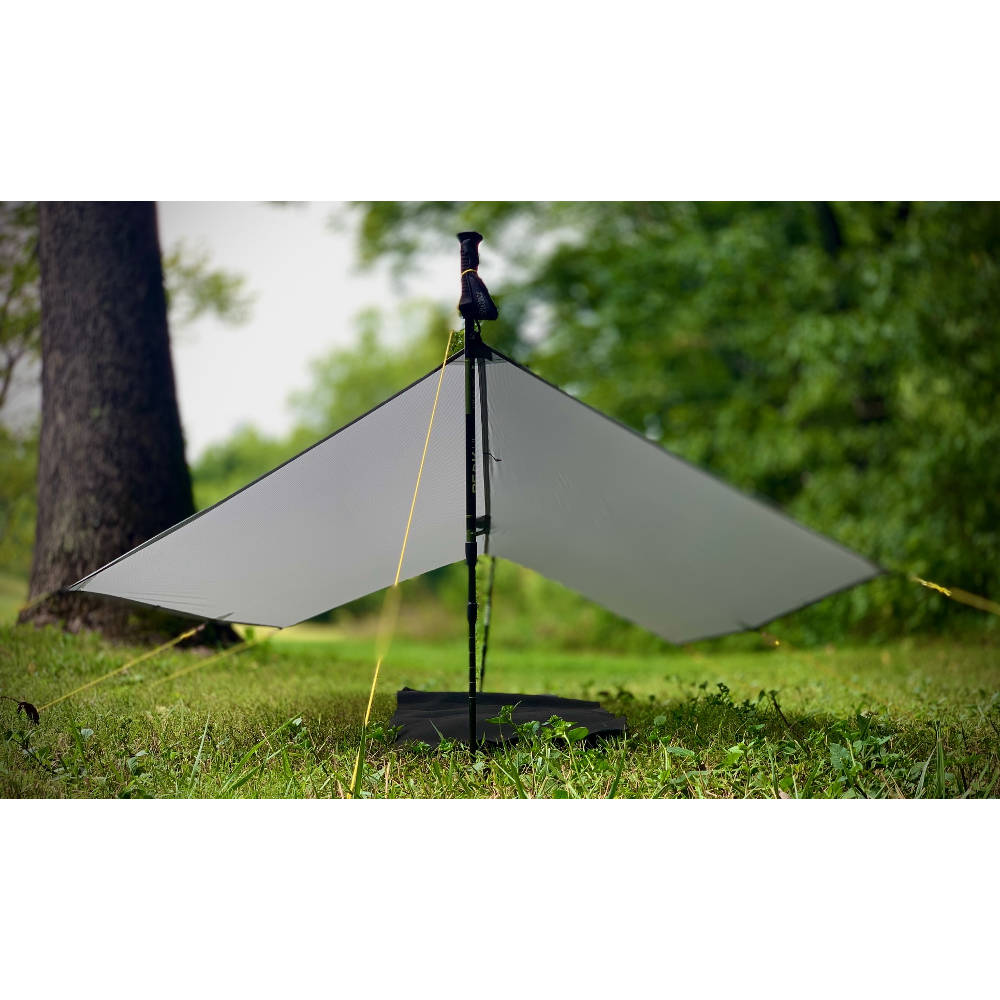
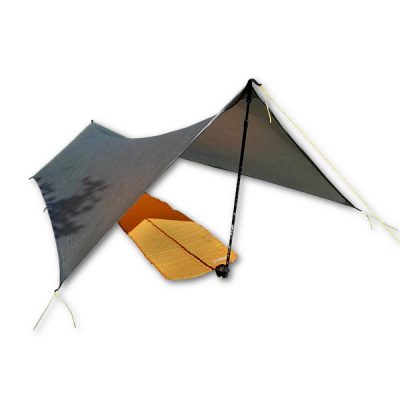
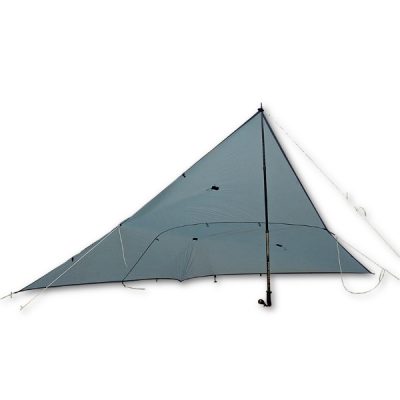
• Don’t Overthink It. The primary intended tarp pitch is the A-frame or modified A-frame with one side pitched lower; this puts tension on the ridgeline hood slit to help hold it closed tight. It can also be pitched in other configurations depending on your tarp skills.
• Pre-attach guylines to optional mini biners for quick click and clip transition from poncho to tarp mode; color code the biners, clip to the correct tie-outs while still wearing the poncho to prepare for the transition from poncho to tarp mode.
• The A-frame standard style small tarp pitch and line lengths work well. You can do it. Go Practice. Test in the Rain.
• Works well with the MLD Superlight or Bug Bivy.
Each of our SilPoly and SilNylon shelters comes with one tube of McNett Sil-Net Seam Sealer. It is STRONGLY recommended you use this supplied seam sealer to seal and strengthen the seams of your shelter.**DCF (Dyneema® Composite Fabric A.K.A. Cuben Fiber) Shelters do not need seam sealed.**
INSTRUCTIONS
1. Pitch and inspect your shelter for any issues. Once it is seam sealed, it is non-returnable except for significant defects.
2. Use the supplied SilNet Sealer and ONLY the SilNet Sealer. (If you want to dilute it or use some other silicone sealant it should work OK and is common (research this yourself online) but, you are on your own- results may vary and are not covered by warranty! If you go this route, it is assumed you know 100% what you are doing and have done it before!!!)
3. Pitch the shelter tightly. Temperatures should be above 60 F and humidity below 80%. You may do this indoors. You may also do one seam at a time indoors if the seam is stretched slightly. Pinning one seam from each end on the floor between two heavy objects works OK.
4. We use the SilNet straight from the tube. Do not make a big hole in the sealer tube – start small so that you can control flow. Multiple small application is a lot better than one big smear.
5. Main Seams: Place a small bead on the seam along the stitching. Work on a 3’- 4’ section at a time. Use a finger to press the sealer into the stitching and the small valley at the edge of the seam where it is rolled under.
ALLOW AT LEAST 24 HOURS TO FULLY DRY.
NOTE: You only need to seal the OUTSIDE of the shelter. You do not need to seal the bottom perimeter roller edge stitching. It is OK to add a small bead on the leading edge of the triangle tie-outs reinforcement stitching, but it is not required.
SPECIAL AREAS: Add a little sealer to any tie-out stitching on the middle of a panel (Mids, Cricket, and SuperTarps). Seal the zipper storm flap stitching and tie-outs on the Mids. Seal the stitching and apex tie-outs areas on the Mids, Crickets, and TrailStars.
IMPORTANT: Do no go back and forth over the wet seam too much – after a minute or three it will get gummy and look bad; it is better to wait for 8 hrs and then add some over any area you missed.
I bought the Pro Rain Poncho in Fall 2017 and relied on it during my successful 2018 AT Flip-Flop Thru-hike (April-December). As a shelter-hopper, It was my backup shelter, which I only used twice as a tarp. It kept me dry on a rainy night when the shelter was full at Rausch Gap and held up during a wind storm on Blue Mountain Summit. I found that having the optional mini biners with pre-cut and tied guy lines was very helpful in quick setup.
I used the poncho quite a bit, both as rain protection and as a wind breaker over my polyester fleece when it got cold. It was highly effective in both roles. I entered one shelter at the end of a rainy day to find other hikers who had rain jackets and pants were soaked through, but my core was still warm and dry (damp below the knees only). The adjustable hood is a particularly nice feature, as it fits well, and the reinforced “beak” keeps it off of my face yet keeps most of the rain off of my glasses. It also means you don’t need a separate pack cover.
The only negatives as a poncho are it snags on brush if you are bushwhacking, and one of the plastic snaps at the bottom weakened and kept separating, which was an annoyance especially when it was windy and rainy. Also worth noting that it can be challenging to get it draped over your pack if you don’t have a buddy to help, especially if it is windy.
I kept mine in the back mesh pocket of my MLD Prophet pack for easy access. I also chose the Orange color, as I figured the extra visibility helped while crossing roads during bad weather and during hunting season.
All in all, I’ve been very happy with my MLD Pro Rain Poncho/Tarp, and it has held up very well through and after my AT thru-hike.
Rated 4 out of 5
Brian (verified owner)–
I have the .5 DCF version purchased in 2018. I completely agree with he decision to NOT OFFER DCF! The .5 only saves about 3 oz and is indeed MUCH more fragile than the SilNy alternative. I would rate the pro poncho as my favorite 3 season shelter. I’ve used it probably 30 or 40 times with every bivy MLD makes. I’ve patched the DCF poncho several times, though I’ve only worn it for rain maybe twice. I just don’t see this thing holding up for years and years of use. However the silnylon version … with it’s tendency to slide over snags, I imagine would last for quite a long time. Not only is it more durable, but also much easier to achieve the drum tight pitch MLD shelters are famous for! I’m planning on getting one of these ASAP!
Rated 5 out of 5
WildeGeek –
I bought the Silnylon version of the MLD Pro Poncho around 2008 and used it as my main shelter on a couple of longer hikes including a PCT section through all of the High Sierra Nevada (Kennedy Meadows South to South Lake Tahoe), and another fastpacking 10-day hike of the JMT. I guess I’ve used it for almost 100 nights out. In the shoulder seasons I’ll also carry a very early MLD eVent bivy Ron sold on Ebay around 2003–which is also still going strong.
My only complaint is that it’s so light that it can be very difficult to drape over a pack in the wind.
The worst conditions I’ve been in with it was a sleet storm at Evolution Lake in Kings Canyon National Park. I did get a little damp converting it from rain gear to shelter, but with a tight pitch and the bivy bag, my down quilt stayed plenty dry.
For as light as it is, it has been impressively durable. I have only had to fix a couple of small punctures with silicone seam sealant.
If you’re a true minimalist, or if you like the idea of carrying a backup shelter, this piece is really hard to beat.
Rated 5 out of 5
Anders (verified owner)–
I used the MLD PRO PONCHO as a shelter and raincoat on a 4 day trip through Dovrefjell-Sunndalsfjella National Park in Norway August 2022. This poncho kept me and my backpack dry (except for lower legs) for 4 days of near constant rain and storm. Using the mini biners and pre-cut guylines helped for a quick setup. As a raincoat it’s spacious and during terrible weather I would sit down and pop my head into the body for a simple snack/meal. Putting it on as a raincoat can be challenging during strong winds. Wearing a cap makes the hood sit better during rain and wind.
Rated 5 out of 5
Peter Schmidt –
My first experience with Ron and MLD and the Pro Poncho was in 2006. This old version is a heavier silnylon than what is sold now. I still have it and lives in my truck emergency kit, used only for rain on occasion. I bought a 2nd Pro Poncho about 10 years ago which has seen extensive use and has held up with no wear at all. In poncho mode, you can’t beat the ventilation it has to offer in high humidity and exertion. In high winds or snow, I sometimes combine with silnylon rain chaps to offer more protection and versatility, as long as it’s not too warm. I’m 6’2″ and my forearms will get wet under some conditions. I realize that tarp mode is not for everyone, but the obvious limitations can usually be overcome with proper site selection, combined with an UL bivy. If you have a low tolerance for bugs, might not be the right piece of equipment for you. I gave it 5 stars because of the balance of weight, durability and design. Just be aware of it’s limitations as a stand alone piece of equipment, so combine thoughtfully with other UL equipment. This is my 3 season shelter of choice for 20 years.

Geof Goodrum/Happy Hermit (verified owner) –
I bought the Pro Rain Poncho in Fall 2017 and relied on it during my successful 2018 AT Flip-Flop Thru-hike (April-December). As a shelter-hopper, It was my backup shelter, which I only used twice as a tarp. It kept me dry on a rainy night when the shelter was full at Rausch Gap and held up during a wind storm on Blue Mountain Summit. I found that having the optional mini biners with pre-cut and tied guy lines was very helpful in quick setup.
I used the poncho quite a bit, both as rain protection and as a wind breaker over my polyester fleece when it got cold. It was highly effective in both roles. I entered one shelter at the end of a rainy day to find other hikers who had rain jackets and pants were soaked through, but my core was still warm and dry (damp below the knees only). The adjustable hood is a particularly nice feature, as it fits well, and the reinforced “beak” keeps it off of my face yet keeps most of the rain off of my glasses. It also means you don’t need a separate pack cover.
The only negatives as a poncho are it snags on brush if you are bushwhacking, and one of the plastic snaps at the bottom weakened and kept separating, which was an annoyance especially when it was windy and rainy. Also worth noting that it can be challenging to get it draped over your pack if you don’t have a buddy to help, especially if it is windy.
I kept mine in the back mesh pocket of my MLD Prophet pack for easy access. I also chose the Orange color, as I figured the extra visibility helped while crossing roads during bad weather and during hunting season.
All in all, I’ve been very happy with my MLD Pro Rain Poncho/Tarp, and it has held up very well through and after my AT thru-hike.
Brian (verified owner) –
I have the .5 DCF version purchased in 2018. I completely agree with he decision to NOT OFFER DCF! The .5 only saves about 3 oz and is indeed MUCH more fragile than the SilNy alternative. I would rate the pro poncho as my favorite 3 season shelter. I’ve used it probably 30 or 40 times with every bivy MLD makes. I’ve patched the DCF poncho several times, though I’ve only worn it for rain maybe twice. I just don’t see this thing holding up for years and years of use. However the silnylon version … with it’s tendency to slide over snags, I imagine would last for quite a long time. Not only is it more durable, but also much easier to achieve the drum tight pitch MLD shelters are famous for! I’m planning on getting one of these ASAP!
WildeGeek –
I bought the Silnylon version of the MLD Pro Poncho around 2008 and used it as my main shelter on a couple of longer hikes including a PCT section through all of the High Sierra Nevada (Kennedy Meadows South to South Lake Tahoe), and another fastpacking 10-day hike of the JMT. I guess I’ve used it for almost 100 nights out. In the shoulder seasons I’ll also carry a very early MLD eVent bivy Ron sold on Ebay around 2003–which is also still going strong.
My only complaint is that it’s so light that it can be very difficult to drape over a pack in the wind.
The worst conditions I’ve been in with it was a sleet storm at Evolution Lake in Kings Canyon National Park. I did get a little damp converting it from rain gear to shelter, but with a tight pitch and the bivy bag, my down quilt stayed plenty dry.
For as light as it is, it has been impressively durable. I have only had to fix a couple of small punctures with silicone seam sealant.
If you’re a true minimalist, or if you like the idea of carrying a backup shelter, this piece is really hard to beat.
Anders (verified owner) –
I used the MLD PRO PONCHO as a shelter and raincoat on a 4 day trip through Dovrefjell-Sunndalsfjella National Park in Norway August 2022. This poncho kept me and my backpack dry (except for lower legs) for 4 days of near constant rain and storm. Using the mini biners and pre-cut guylines helped for a quick setup. As a raincoat it’s spacious and during terrible weather I would sit down and pop my head into the body for a simple snack/meal. Putting it on as a raincoat can be challenging during strong winds. Wearing a cap makes the hood sit better during rain and wind.
Peter Schmidt –
My first experience with Ron and MLD and the Pro Poncho was in 2006. This old version is a heavier silnylon than what is sold now. I still have it and lives in my truck emergency kit, used only for rain on occasion. I bought a 2nd Pro Poncho about 10 years ago which has seen extensive use and has held up with no wear at all. In poncho mode, you can’t beat the ventilation it has to offer in high humidity and exertion. In high winds or snow, I sometimes combine with silnylon rain chaps to offer more protection and versatility, as long as it’s not too warm. I’m 6’2″ and my forearms will get wet under some conditions. I realize that tarp mode is not for everyone, but the obvious limitations can usually be overcome with proper site selection, combined with an UL bivy. If you have a low tolerance for bugs, might not be the right piece of equipment for you. I gave it 5 stars because of the balance of weight, durability and design. Just be aware of it’s limitations as a stand alone piece of equipment, so combine thoughtfully with other UL equipment. This is my 3 season shelter of choice for 20 years.